
Cervical neck pain help in Austin
The neck, or cervical spine, is a collection of 7 bones or vertebrae, named C1 to C7. These bones support the head, contain important structures such as the spinal cord and vertebral arteries, and serve as bony attachments for muscles of the neck. There are 8 paired nerves (left and right) that provide sensation and motor function (strength) to the arms and hands, and at every segment (except for the top segment) there are three joints: one disc in the front of the spinal column between the vertebrae/bones and 2 paired facet joints behind the spinal canal. Surrounding these bones are numerous ligaments and tendons that provide connections between the bones and muscles.
Given all of the different structures in this small area, one can imagine that there are a variety of painful conditions that we broadly call “neck pain”. Neck pain may be sharp and located in one spot or in a broader area. The pain may also get referred up to the head with an accompanying headache. Other times it can be accompanied by muscle spasms in the neck, upper back, or around the shoulder blade. Less commonly, shock-like pain or tingling may radiate down into the shoulder, arm, and/or hand. Below are some of the most common neck pain syndromes that we see in our practice and some available treatment options.
One of the most frequent causes of neck pain that we see in our clinic is known as “cervical spondylosis” which is essentially osteoarthritis or degeneration of the bones and joints of the spine. The small facet joints in the back of the neck can become overgrown and irregular with a loss of cartilage. When this occurs, these joints may become painful, especially in certain positions or postures. After a thorough diagnostic work-up to confirm these joints as pain generators, we can use a special needle to cauterize the small nerves of these joints This “turns off” that painful signal in a procedure known as radiofrequency ablation. You may achieve up to 18 months of pain relief with one simple treatment! This procedure can be repeated periodically if successful.
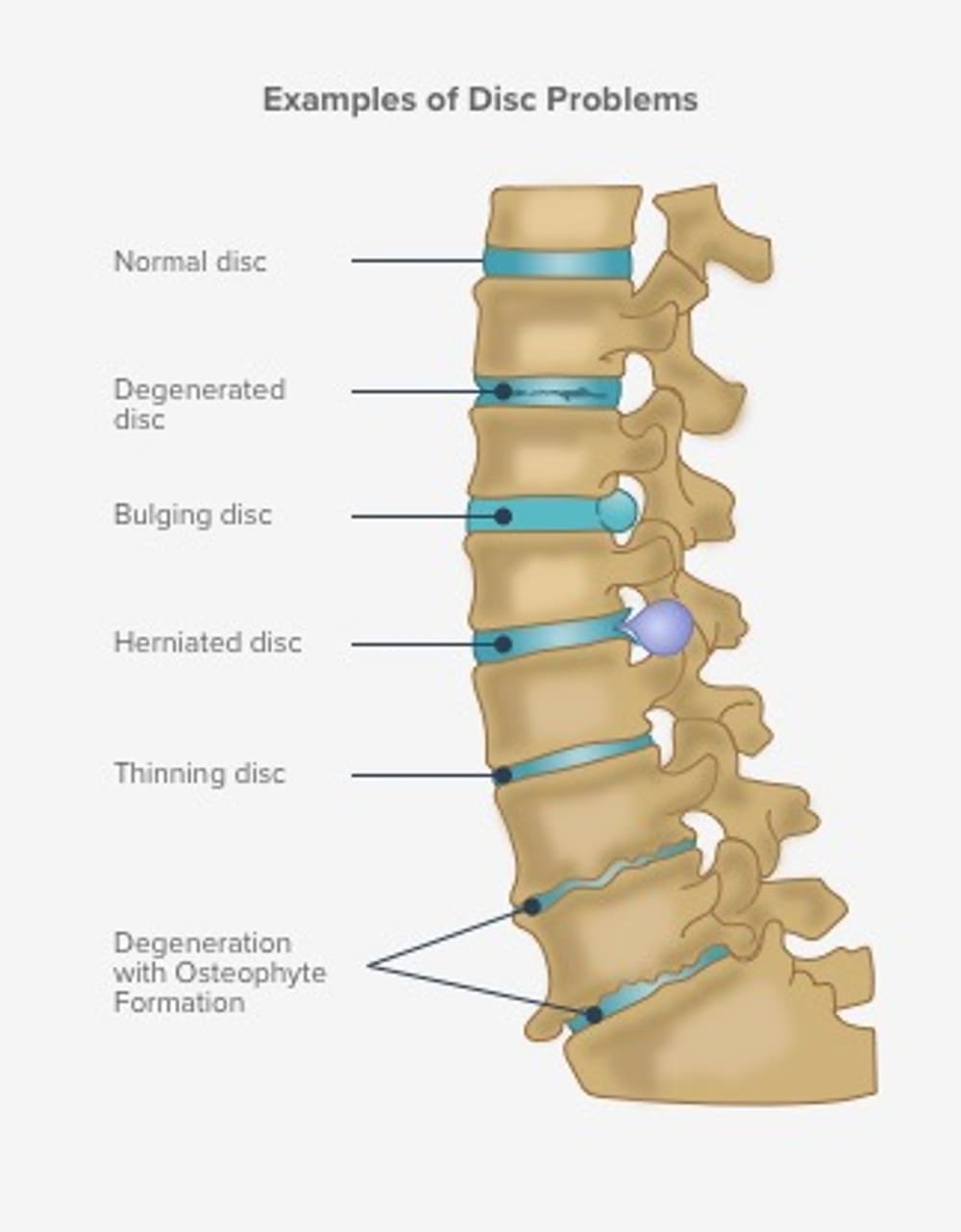
Most people have heard of “discs” in their necks and backs causing pain, but often understand little about these structures. The intervertebral discs can be thought of as shock absorbers that cushion our spine and give us our spinal mobility. Discs can degenerate and, during this degenerative process, can become painful. Disc material can also herniate outside of its typical location and press on nerves or spinal cord, creating a painful condition known as radiculopathy. For painful discs, we can use regenerative treatments such as platelet-rich plasma (PRP) or bone marrow-derived regenerative cells to halt the degenerative process. For radiculopathy, we offer injection-based therapies using steroids or platelet-rich plasma to alleviate the pain and restore function.
Surrounding the bones of the neck, there are many ligaments and tendons that allow mobility and provide stability. These ligaments can become injured and lax from a variety of causes including whiplash. To restore the strength of these ligaments we inject them with a solution of dextrose (sterile sugar water) in a process known as fibro-osseous proliferation or prolotherapy. Prolotherapy has existed as a treatment for over 100 years and has fewer side effects than many of the pharmaceutical treatments on the market today.
Lastly, the muscles of the neck may also become painful, such as the classic “crick in my neck”. Painful and sore muscles can lead to long-term imbalances and abnormal movement patterns. These patterns can then propagate the pain in a negative loop. To help retrain movement patterns and realign the spine, a physical therapist can identify abnormal movements and teach exercises to promote long-term healthy habits. Sometimes, the muscles are too painful to tolerate physical therapy and we can offer treatments such as trigger point injections. These are used to temporarily alleviate the pain and to allow you to use the neck in a more functional way. Neck muscles can also spasm and get “stuck” in abnormal positions in a condition known as cervical dystonia. To treat cervical dystonia, we can use botulinum toxin (Botox) to promote the relaxation of the muscles and return to normal posture.